Soft Washing vs Pressure Washing in Coastal Virginia: What Gloucester VA Homeowners Need to Know
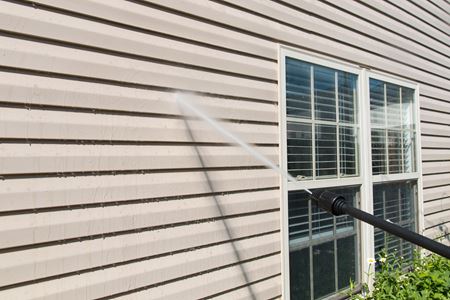
If you own a home in Gloucester VA, you’ve likely seen how salty breezes, spring pollen, and humid summers can invite algae and grime. That is why many neighbors search for soft washing Gloucester VA and wonder how it compares to pressure washing. This guide explains the real differences, when each method makes sense, and how On Point Pressure Washing chooses the safest approach for your home.
For delicate materials like siding and shingles, the best place to start is a gentle method. Learn how our local team handles soft washing so your exterior looks clean without taking any risks.
What Soft Washing Is and When It Works Best
Soft washing uses low water pressure paired with targeted cleaning solutions to lift and rinse organic growth like algae, mildew, and mold. The water does not do the heavy work. Chemistry does, then a gentle rinse carries everything away.
- Siding and trim made of vinyl, fiber cement, or painted wood
- Asphalt shingle roofs that show dark streaks or lichen
- Screened porches, soffits, and gentle architectural details
- Composite decking and railings that need a careful touch
Think of soft washing like hand-washing a favorite sweater. You want it fresh and bright, but you also want it to last. Done right, it removes growth at the source and helps slow its return.
What Pressure Washing Is and When It Shines
Pressure washing relies on higher water pressure to break up grime, mud, and buildup on hard, resilient surfaces. It is ideal when you need mechanical force to move heavy soil quickly.
- Concrete driveways and sidewalks with tire marks or dirt
- Brick and paver patios that collect sand, soil, or mildew film
- Sturdy masonry steps and retaining walls
Picture a stiff-bristle brush for tough jobs. On the right surfaces, pressure washing is fast and effective. On the wrong surfaces, it can be too aggressive. Choosing wisely matters.
Gloucester’s Coastal Climate: Why Method Matters
Along the York River and across Gloucester Point, homes face salty air, heavy spring pollen, frequent shade from tall pines, and muggy summer afternoons. Moisture and shade give algae the upper hand, and pollen sticks to everything. In these conditions, soft washing is often the safer first move for siding and roofs because it treats organic growth at the root. Concrete and brick see more soil and vehicle residue, so measured pressure washing is a smart fit there.
Tip: Ask any exterior cleaner exactly how they plan to protect landscaping, windows, and seals before they start. A clear plan is a good sign you will get a careful, professional clean.
Soft Wash vs Pressure Wash: How They Compare
Both methods can make your home look great. The difference is where, how, and why they are used.
For delicate surfaces: Soft washing is designed to avoid forcing water behind siding or lifting shingle edges. The right cleaner, dwell time, and rinse make all the difference.
For durable hardscapes: Pressure washing is efficient on driveways, walkways, and many brick areas. A controlled, even pass restores a clean, uniform look.
For long‑lasting results on growth: Soft washing targets algae and mildew so they are less likely to reappear as quickly. That helps keep coastal homes looking clear between services.
For stains from traffic and soil: Pressure washing helps clear grit, grime, and tire marks where chemistry alone is not enough.
Common Coastal Virginia Materials and the Right Clean
Vinyl and Fiber Cement Siding
These are flexible, layered systems. Soft washing avoids driving water behind panels and lifts algae lines that tend to form on the shaded sides of homes near trees. It is the safest, most consistent choice for siding in our area.
Painted Wood Trim and Porch Ceilings
Painted wood looks great but can be vulnerable. Gentle solution, short dwell time, and a low-pressure rinse help keep paint intact and surfaces smooth.
Asphalt Shingle Roofs
Dark streaks and spots are common near the York River because algae loves moisture and shade. A careful soft wash brightens shingles without stress. If your gutters feed into beds or lawn, we protect landscaping during and after the rinse.
Brick, Pavers, and Concrete
These surfaces are built to take more force. With uniform technique and the right tip selection, pressure washing removes tracked-in soil and road film. Pre-rinsing edges and planting beds helps shield mulch and soil from splash-back.
How Often Should You Schedule Exterior Cleaning in Gloucester VA?
Timing varies by shade, tree coverage, and how close you are to the water. Homes with heavy shade or north-facing walls may need exterior cleaning more often than sunny, breezy lots. Here are general ranges many Gloucester homeowners follow:
- Siding and trim: once every 12 to 18 months
- Roofs showing dark algae streaks: as needed based on growth
- Driveways and walkways: once a year or after major staining
If you are unsure, a quick inspection is the best next step. Our team will recommend the safest approach and a sensible schedule based on your materials and exposure.
How On Point Pressure Washing Chooses the Right Method
Every home gets a short site review before we begin. We look at material type, age and condition, shade patterns, nearby plantings, and water management. Then we set the plan:
For delicate areas, we use a measured soft wash with a gentle rinse so moisture does not end up where it does not belong. For durable surfaces, we apply controlled pressure and even passes for a consistent finish. In both cases, we shield landscaping, cover sensitive fixtures, and rinse thoroughly so everything looks refreshed, not just cleaned.
If you prefer a deeper read on our gentle approach, see our service details for soft washing and how it protects siding and roofs through careful application.
Real‑World Scenarios in Gloucester VA
Picture a two-story home near Gloucester Point with a shady side yard. The north wall shows green bands and the porch ceiling looks dingy. Soft washing lifts the growth on the siding, trims the grime from the beadboard ceiling, and keeps paint intact. The driveway, however, has tire shadows and leaf stains after a storm. That is a job for measured pressure on the concrete.
Another example is a ranch home along a breezy stretch closer to the river. Roof streaks appear first, then the shaded siding shows light speckling by late summer. A roof soft wash and a light house wash solve both, while the brick steps respond best to a brief pressure rinse and careful post-rinse to keep joints tidy.
Risks to Avoid and Questions to Ask
High pressure on siding can force water behind panels or chip paint. Aggressive cleaning on shingles can reduce service life. On the other hand, using only gentle chemistry on a stained driveway may leave blotches. Before you say yes to any service, ask about the exact method, how plants will be protected, and what the rinse process looks like.
For peace of mind, you can also look for a provider who explains how they adjust their approach for Gloucester’s coastal weather. Clear communication up front prevents surprises and keeps your home safe.
Smart Linking for Homeowners
To learn more about low-pressure cleaning for siding and roofs, start with our dedicated page on soft washing. If roof streaks or moss are your main concern, see how a careful approach protects shingles on our roof cleaning page. And if you want a broader overview of services from a trusted local team, explore soft washing in Gloucester VA and see how On Point Pressure Washing supports homeowners across the county.
Ready to Protect Your Home the Safe Way
Your home should look its best without risking damage. Whether your siding needs a gentle touch or your concrete needs a firm clean, On Point Pressure Washing will match the method to the material and the coastal conditions around your property. Call us at 804-405-1583 to schedule a quick assessment, or book through our page on soft washing to get started today.
From Grimy to Shine – Our Pressure Washing is Always On Point! Contact On Point Pressure Washing In Gloucester County